
Managed services
Managed chemical dosing
A managed dosing service that keeps the operating loop visible: establish a baseline, commission, calibrate, monitor, report and adjust against agreed site measures.

Who this is for
Operations managers responsible for multiple treatment sites
Your operating priority
Maintain visibility of dose settings, stock and performance without leaving responsibilities unclear.
Before you specify or buy
Define who can adjust settings, respond to alarms, arrange resupply and approve interventions. Agree monitoring and reporting scope before handover.
What is covered
- Remote dose tuning informed by operating conditions and monitoring data.
- Alarm review and resupply coordination can be included in an agreed scope.
- Commissioning, baseline, calibration, monitoring and reporting responsibilities are defined before service begins.
- Decommissioning and handover are included where agreed.
What we will ask you
- Site location, dosing system and operator responsibilities
- Current dose settings, alarm arrangements and performance data
- Preferred reporting cadence and resupply constraints
This page is information only. Pricing, availability and specifications are provided through an enquiry.
Straight answers
Frequently asked questions
- What should an operations manager include in a managed dosing scope?
- Define treatment measures, commissioning checks, calibration, chemical stock responsibilities and who may change dose settings. Specify alarm response, monitoring access and reporting requirements. Remote tuning and resupply coordination depend on installed equipment, site access and the agreed service responsibilities.
- Can dose settings be changed remotely?
- Remote tuning may be included where the equipment, controls, access and agreed operating authority support it.
- Is resupply automatic?
- Resupply coordination can be scoped, but lead times, access and inventory arrangements are agreed for each site.
Field equipment and testing
Real sampling, measurement and dosing equipment. Individual photos are not a controlled performance comparison; interpretation requires the sampling context, method and calibration records.
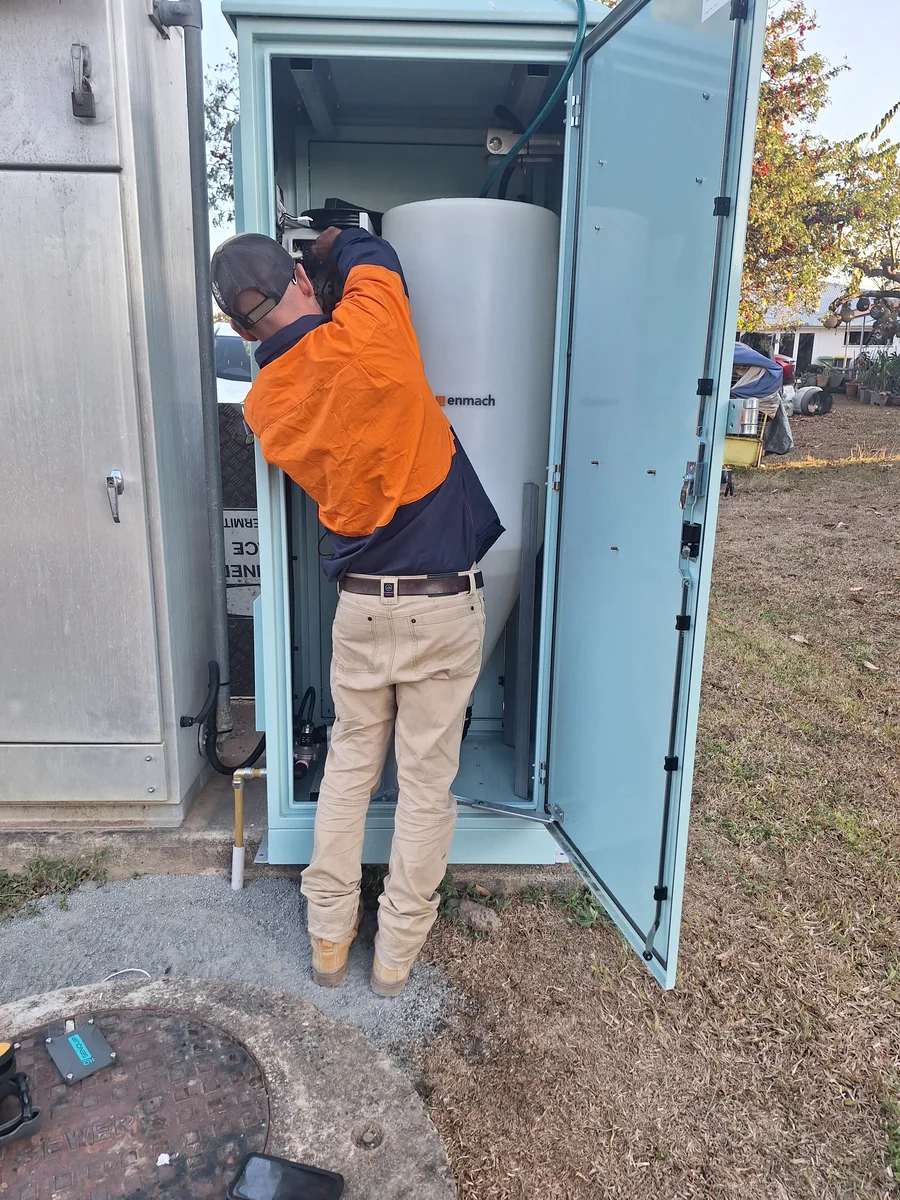
Hands-on field work at a dosing installation. Site procedures, equipment checks and duty-specific settings support ongoing operation. 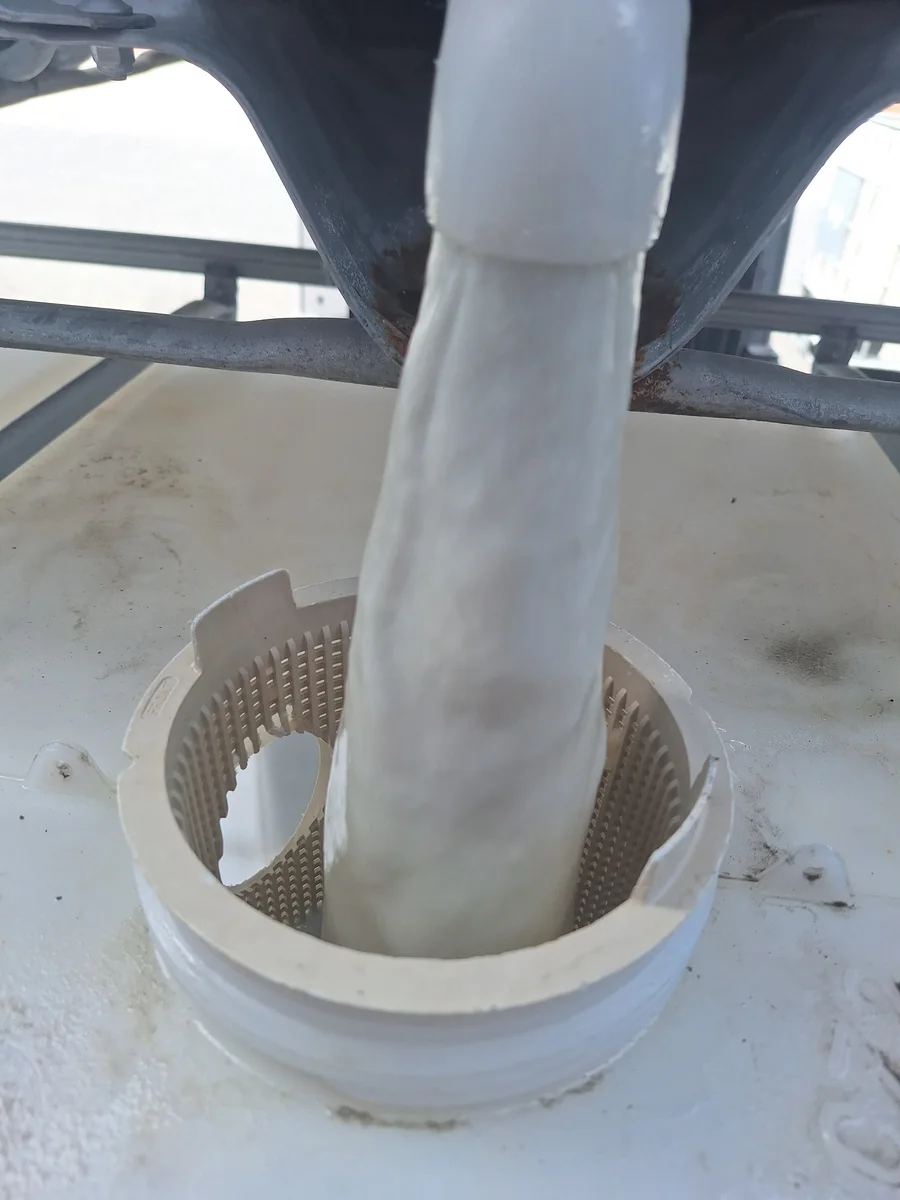
Liquid transfer during field work. The photograph does not identify the formulation, concentration or dose delivered to a network. 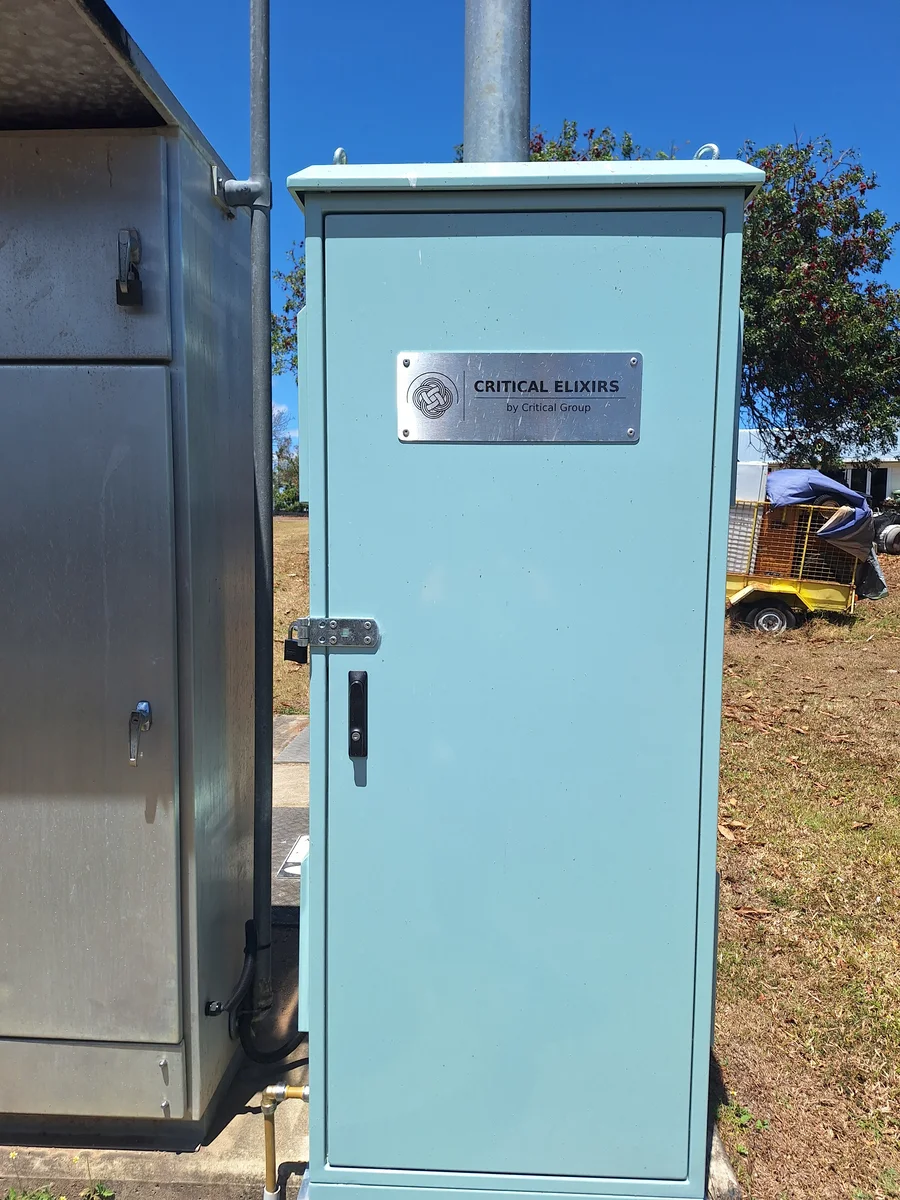
A field dosing installation. Equipment configuration and operating settings are confirmed against the duty. 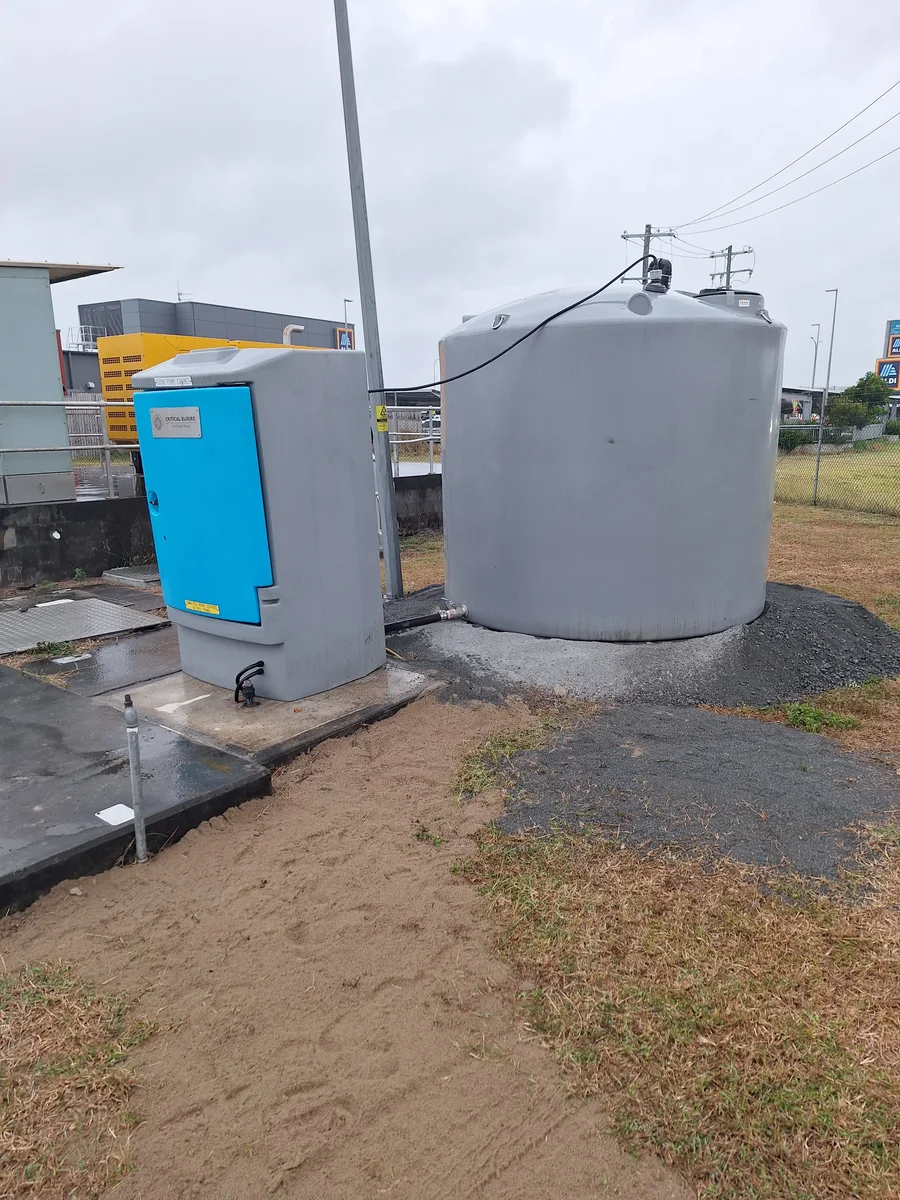
Dosing equipment and storage in the field. Photos show the installation, not quantified chemical performance.


